
Genealogy is full of Smiths, Browns, and Millers—names so common you can trip over them in any town and any decade.
And then there are surnames like Beasecker.
In my working tree, Beasecker shows up often enough to matter (and in enough spellings to keep things interesting). It’s a rare surname—rare enough that when you see it, your brain immediately asks: Are these people connected? Is this one family? Where did they come from?
This post kicks off a dedicated story thread for the Beasecker/Basecker branch.
The first problem: spelling#
If there’s one lesson I’ve learned the hard way, it’s this:
Spelling is not identity.
Beasecker can appear in records as:
- Beasecker
- Basecker
- and other “close enough” variants created by handwriting, accent, or indexers doing their best with 19th-century penmanship.
That matters because search, tags, and even duplicates can fragment a single family line into “multiple families” that aren’t really multiple at all.
So step one for this branch is simple: treat the surname as a cluster, not a single rigid spelling.
The second problem: the “same-name trap”#
Rare surnames reduce the noise, but they don’t eliminate it. You still get:
- repeated first names across generations
- cousins in the same county
- multiple households that look “almost right”
The only way through that is the boring (and beautiful) work:
- build a timeline
- follow the whole household (not just your person)
- correlate places, witnesses, neighbors, and occupations
The approach: how I’m building this branch#
Here’s the method I’m using to turn “a cool surname” into a documented branch:
Normalize the name variants
Treat Beasecker/Basecker as one research thread and make sure tags/search reflect that.Cluster by place and time
Find where the surname concentrates, then follow it through censuses, directories, deeds, probate, and church records.Follow women and collateral lines
Rare surnames often “disappear” through daughters and marriage. Collateral relatives are how you keep the trail alive.Use artifacts as anchors
Photos, headstones, family letters, and obituaries often contain the “one detail” that points you to the right courthouse or parish.
A personal anchor#
This branch isn’t just a list of names. It’s family.
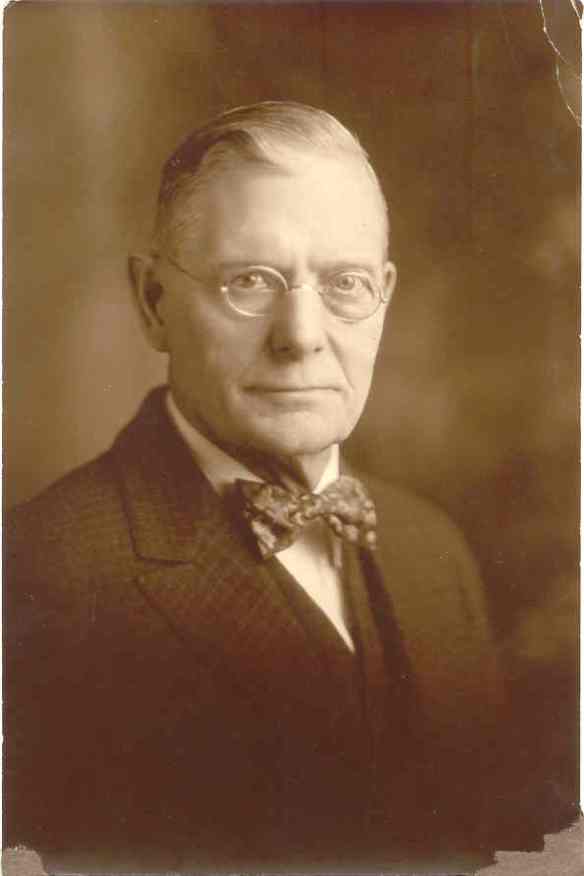
I have photographs tied to this line, and they’re exactly the kind of artifact that helps a story feel human while also pushing research forward: Who is pictured? Who took the photo? What place does it point to? What year? What other relatives were nearby?
Each time I connect a face to a record, the branch gets stronger.
What’s next#
Over the coming weeks I’ll be publishing:
- short biographies of key Beasecker/Basecker individuals,
- the record trail behind each link,
- and the “open questions” I’m actively trying to solve.
If you’re connected to this family or have documents/photos that might help, I’d love to compare notes.
Contact: /contact/